
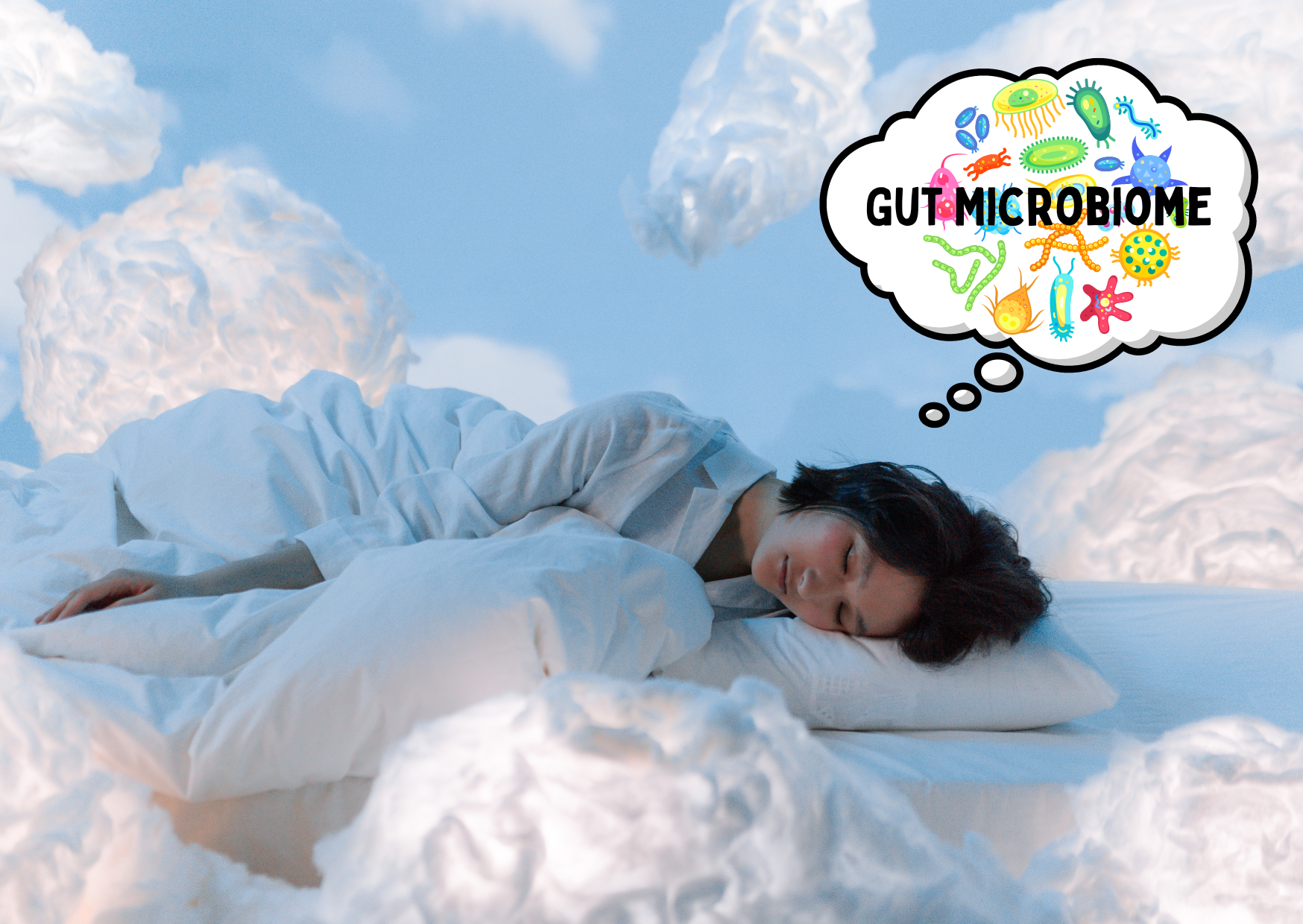
When we think about getting healthier, we usually focus on diet, exercise, maybe giving up unhealthy habits like alcohol and smoking, and drinking more water, but what about sleep? All of the above are important, but I’d argue sleep is one of the most important. We need sleep to stay alive in the same way we need food, water and air. No, I’m not being dramatic when I say this! It is an essential biological requirement unless you are a vampire, and in that case, you are already dead. Sleep is important for our general health, including cardiovascular health, immunological health, neurological health, metabolic health, human performance, pain regulation, mental health, and longevity.
Sleep is not straight forward
However, achieving good sleep is not a simple task. It’s a complex process with many interdependent factors. If even one of these factors is disrupted, it can affect your sleep. This vulnerability to disruption is why maintaining good sleep habits can be challenging.
Health conditions related to insufficient sleep are sadly quite common and are associated with things like weight gain and obesity, cardiovascular disease, Type 2 Diabetes, accidents and injuries. Stress, pain, neurological dysfunction, psychiatric symptoms and death, yes, you can die from lack of sleep.
One study showed you are more likely to die from a heart attack from lack of sleep. This study looked at the incidences of myocardial infarction (a type of heart attack) during daylight savings in spring when the clocks go forward, and we get one less hour of sleep (I hate that time of year). They found that on the day of daylight savings, there was a 24% rise in incidences of heart attacks, and that remaining week, there was an 8% rise in incidence. This study also saw fewer heart attack incidents in the autumn when it went back to standard time (and we get another hour of sleep)(1).
Sleep and Exercise
Sleep also significantly influences the effectiveness of exercise. One study gave two groups of people identical weight-lifting exercise programmes and 10% calorie deficit diets. The only variable between the two groups was that group one got 8-9 hours of sleep, whereas group two only got 6-7 hours of sleep. The results showed that although both groups had similar weight loss, group one maintained more lean muscle mass, and group two, who had less sleep, lost muscle mass and maintained fat mass. This underscores the crucial role of sleep in maximizing the benefits of your exercise routine. (2).
The gut microbiome and sleep
So, now that I’ve hopefully convinced you of the importance of sleep, let’s discuss the role of the gut microbiome in sleep.
First, let’s look at Serotonin. Serotonin is a neurotransmitter that transports messages bidirectionally between the gut and brain via the vagus nerve (called the gut-brain axis). Serotonin is produced in the brain and the gut. Only 10% is produced in the Pineal gland in the Brain, and 90% is produced in the enterochromaffin cells throughout your gut. The World Journal of Gastroenterology states that your gut has 400 times more Serotonin than your brain (3). Serotonin plays a critical role in mood regulation, but it is also a precursor or ‘seed’ for melatonin, which controls our sleep-wake cycle. As it gets darker outside, Serotonin is converted to Melatonin, which signals the body to fall asleep by making you feel drowsy and lowering your body temperature. Melatonin is like a manual gear stick in a car that guides you through your sleep cycles. You can get some excellent sleep data on certain smartwatches, which show how many hours you’ve slept and how long you spent in the Rapid Eye Movement (REM) phase or the light sleep or deep sleep.
Stress, poor diet and an unbalanced gut microbiome can all lead to inadequate melatonin production, thus leading to sleep disorders.
How to improve your sleep
Now that you have this information, what can you do to help improve your sleep? Well, ultimately, improving your gut health is probably a good place to start. Even if you don’t experience digestive issues, this doesn’t necessarily mean your gut microbiome is healthy. Try to limit the amount of highly processed foods and drinks you consume. Antibiotics are necessary at times, but only use them when they are really needed. Antibiotics do NOT help with colds and flu because they are viruses. I might get a lot of hate for saying this, but alcohol is a toxin, and your body doesn’t need it. A bit once in a while is ok, but ideally, if you want to nurture your gut microbiome, you’ll cut it out completely, or at least until you feel the benefits; you can decide if you want to have the odd drink on special occasions. Smoking and vaping is another thing altogether. The amount of toxins introduced into your body with every puff is not good for your poor gut microbes. Stress is also not great for your gut, but we don’t always have complete control over our stress levels. It would be best to have something that can relieve stress. This can look different depending on the person.
So that’s what you need to remove or reduce. You need to include or increase healthy whole foods; plenty of plant-based foods are what your gut microbes need. Also, you need good protein sources because Serotonin needs the amino acid (a building block of protein) tryptophan to be synthesised. Good quality protein sources can occasionally come from plant-based sources like beans, lentils, nuts, seeds, tofu and animal sources like fish, chicken, dairy, and red meat.
As I mentioned at the beginning of this Blog, sleep is very complex. A person might have trouble getting to sleep, staying asleep, or both for many reasons. Lifestyle and environment can also play a role. However, the gut microbiome does have an important part to play.
Suppose you would like to know more about your own personal gut microbiome and find out what steps you can take to have it living harmoniously. You should check out my personalised nutrition packages, including an at-home, easy-to-use microbiome testing kit.
References
1. Sandhu A, Seth M, Gurm HS. Daylight savings time and myocardial infarction. Open Heart. 2014;1(1):e000019.
2. Reilly T, Piercy M. The effect of partial sleep deprivation on weight-lifting performance. Ergonomics. 1994;37(1):107-15.
3. Hyman M. How Gut Health Impacts Sleep. The Doctor’s Farmacey with Mark Hyman, MD. YouTube2020. p. https://www.youtube.com/watch?v=kJHM0XCZRT.
4. Stewart EM, Landry S, Edwards BA, Drummond SPA. The Bidirectional Relationship Between Sleep and Health. The Wiley Encyclopedia of Health Psychology2020. p. 165-88.
5. Grandner MA. Sleep, health, and society. Sleep medicine clinics. 2022;17(2):117-39.